

Red Dead Redemption
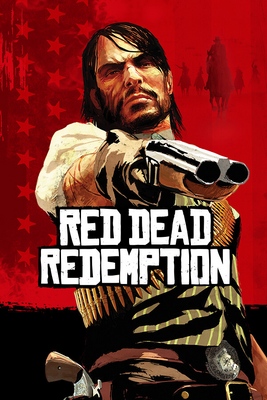
- Released: 2010 (Xbox 360 & PS3)
- Developer: Rockstar San Diego
- Reviewed Platform: PC
"I left the gang after the gang left me."
Summary
Texas, 1911: during the waning years of the American Wild West, John Marston seeks redemption for his former life as an outlaw, hunting down the gang that once raised him.
The Federal government has given John a chance to clean his criminal record. If he turns in his former gang, he can exchange their life and liberty for a quiet life on his ranch with wife and son.
Is redemption an act of becoming, or are we forever defined by our past sins?
"Suddenly, the world is full of theys."
Narrative
Rockstar's signature tongue-in-cheek dialogue makes the trek to the wild west. The wild west provides a change of scenery for Rockstar to critique American culture through a historical lens. The constant battle between local and federal government, East vs West American idealism, Mexico and American relations; has much actually changed in America?
John must earn the trust of the people of New Austin before they will help him. The wild west is not a kind place, it brings out the worst in people but there are beacons of hope. The federal government in DC, is bringing down the law which threatens to the end the way of life for the local Texans, and John's mission there is only the start of the feds exercising thier power.
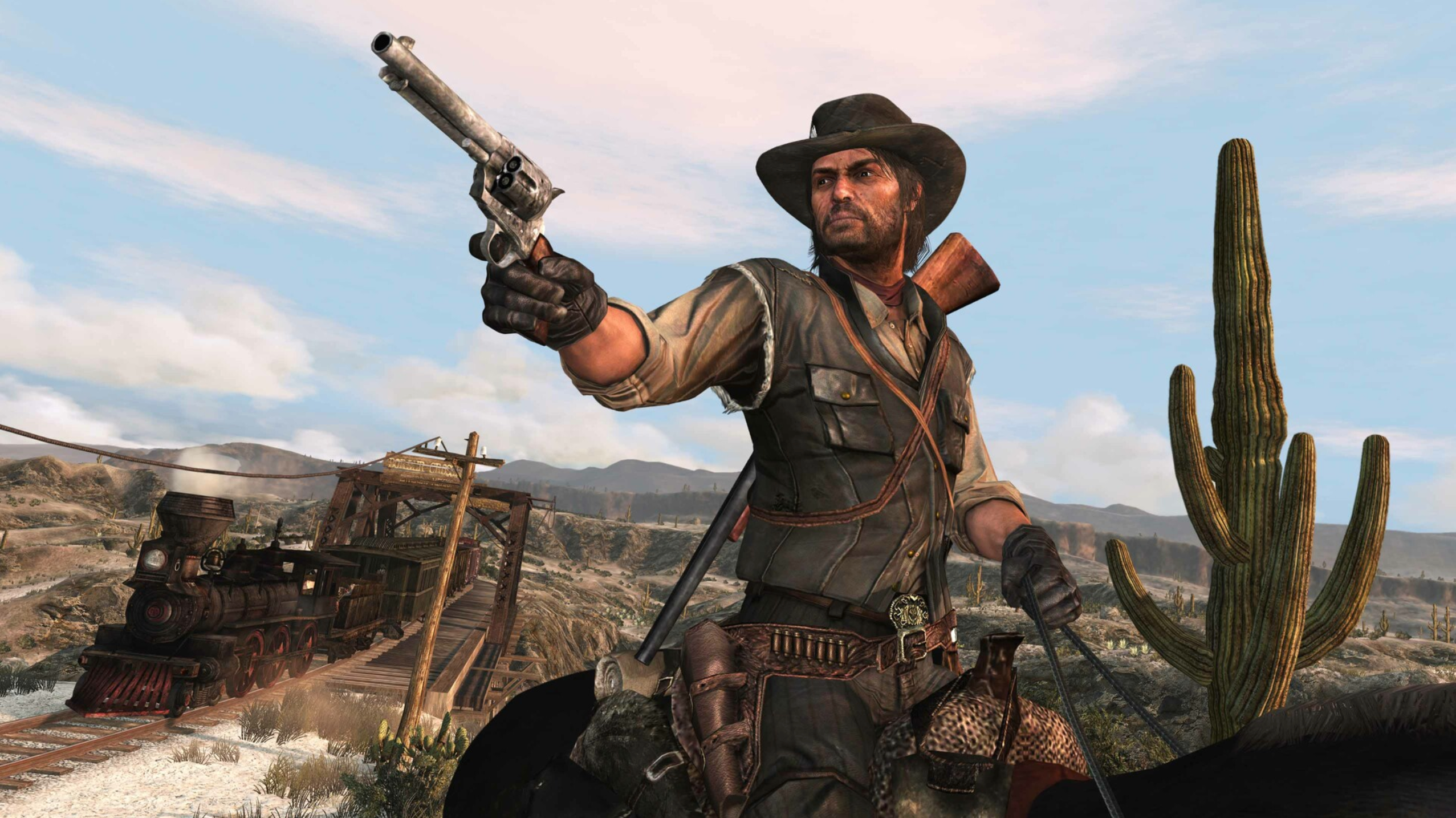
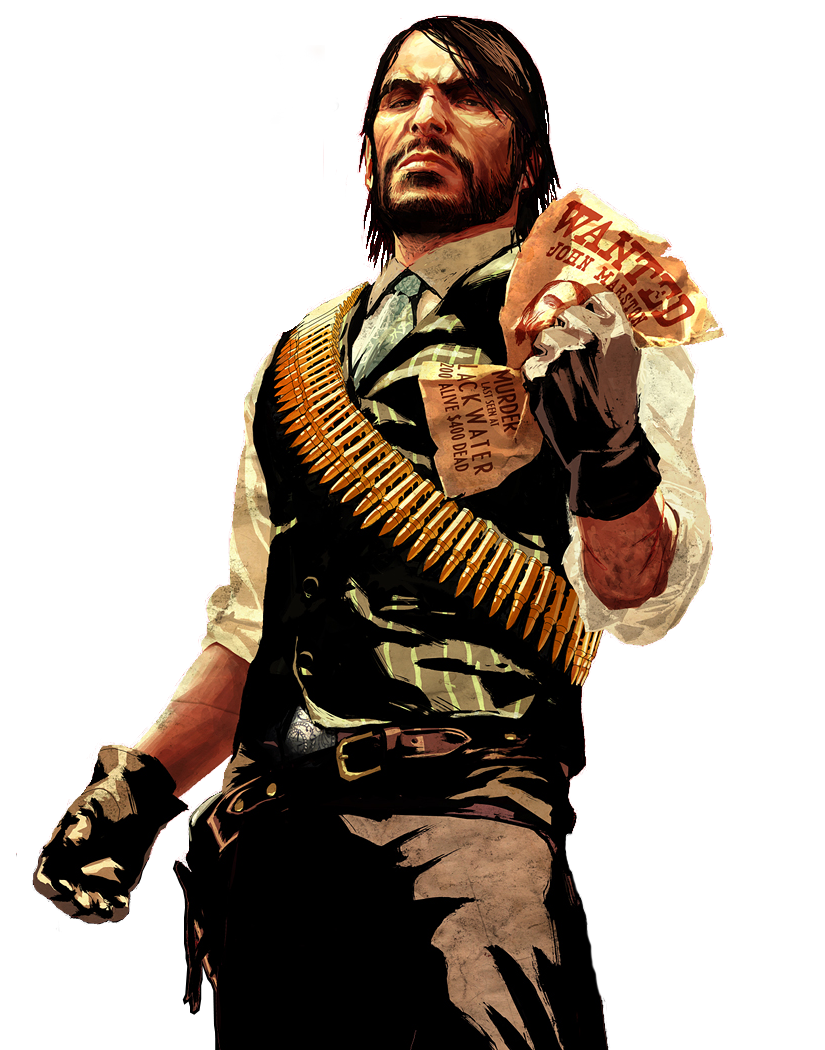
John Marston
Father, husband, and former gang member.
John was many things in his past life, but
all he wants to do now is be a rancher.
John's main role in the story is not one of a
character who goes through much personal redemption,
but rather as a neutral point of view to balance
the rest of the colorful cast's radical world
views.
The state of New Austin is full of people with
conflicting goals. John does not judge the other
characters or place his own prejudice onto them.
Bonnie Macfarlane
"A woman in a man's world" as described by
John in his own words.
Bonnie lives a simple life as a rancher on the
family ranch. Although raised in a dog-eat-dog
world, Bonnie is a rare example of human decency
where it is not expected.
There is a subtle commentary in Bonnie's good
natured character as a form of naivete from her
social class. Her family runs the largest ranch
in New Austin while being able to afford to hire
several ranchhands, and Bonnie pays for John's
medical bills at the beginning of the game with
no expectation of being reimbursed.
Bonnie serves as a foil to John's good nature.
She is innocent and pure of heart, whereas John
is still in the process of ocercoming his inner
demons. She is also everything that John's wife
is not: educated, wealthy, and a 'proper' woman.
John's wife is initally jealous of Bonnie but
ends up redirecting that feeling into respect
after eventually meeting Bonnie.

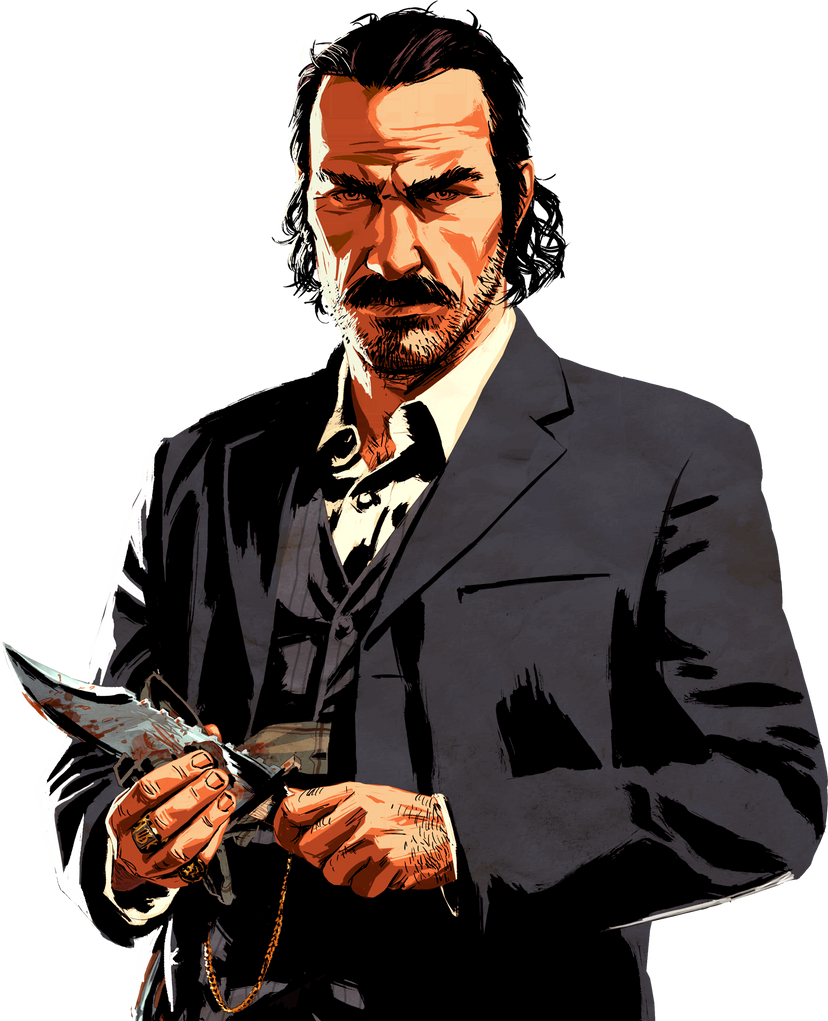
Dutch van der Linde
Dutch embodies the life John left behind, acting as the final obstacle between John’s
freedom and the ghosts of his past. When the federal government demands Dutch’s death,
they force John to confront the ultimate betrayal of killing the man who once raised him.
Dutch servers as a reminder of the life John escaped. He acts as the final barrier
between John's own freedom and a life where John's ghosts will forever haunt him.
The federal government wants Dutch dead, and they want John to be the one to pull the trigger
on his defacto father figure.
John must confront both the man he once was and the man he might have remained had he never sought redemption.
But in pursuing a new life, he is forced to betray the very family that raised him.
Can John truly earn redemption through such means, or is he simply trading one form of violence for another?
To Dutch, John’s efforts are nothing more than a fool’s errand; an attempt to wash away a lifetime of sin by carrying
out the federal government’s dirty work.
"The eyesight of an eagle!"
Gameplay
Texas, 1911: during the waning years of the American Wild West, John Marston seeks redemption for his former life as an outlaw, hunting down the gang that once raised him.
The Federal government has given John a chance to clean his criminal record. If he turns in his former gang, he can exchange their life and liberty for a quiet life on his ranch with wife and son.
Is redemption an act of becoming, or are we forever defined by our past sins?
